
Spring Boat Engine Checklist: What to Inspect Before You Hit the Water (And When It’s Time to Replace Your Engine)
- Apr 10
- 3 min read
As boating season begins, one of the most important steps you can take is making sure your engine is ready for the water.
After sitting through the off-season, even a well-maintained boat can develop issues that affect performance, reliability, and safety.
👉 Taking the time to inspect your engine now can help you avoid breakdowns, delays, and costly repairs later.
Check Engine Oil and Condition
Start with the basics.
Inspect oil level
Look for discoloration or contamination
Change oil if needed
Old or dirty oil can reduce engine protection and lead to internal wear.
👉 If oil appears milky or contains debris, it could indicate deeper issues.
Inspect Fuel System Components
Fuel-related problems are one of the most common causes of early-season issues.
Check:
Fuel lines for cracks or leaks
Fuel filter condition
Signs of stale or contaminated fuel
👉 Poor fuel quality can cause rough operation, starting issues, or long-term damage.
Examine the Cooling System
Marine engines rely heavily on proper cooling.
Inspect:
Hoses and connections
Water pump condition
Impeller wear
Overheating is one of the fastest ways to damage an engine — especially at the start of the season.
Test the Battery and Electrical System
Cold weather and storage can weaken electrical components.
Check:
Battery charge and connections
Corrosion on terminals
Starter and alternator function
👉 Weak electrical systems often show up as starting issues.
Inspect Belts, Hoses, and Gaskets
Rubber components can dry out or crack during storage.
Look for:
Worn or loose belts
Cracked hoses
Leaking gaskets
👉 These small components can lead to bigger failures if ignored.
Check Engine Performance at Startup
Once everything is inspected, start the engine and observe:
Idle quality
Unusual noises
Smoke or vibration
Throttle response
👉 Rough operation or knocking sounds may indicate internal wear.
Know When It’s More Than Maintenance
Not every issue can be fixed with basic maintenance.
You may be looking at replacement if:
The engine struggles to start or stay running
There is persistent knocking or internal noise
Performance is significantly reduced
Multiple systems show wear or failure
The engine has high hours and ongoing issues
At this stage, continuing repairs may only provide temporary results.
When Replacement Becomes the Smarter Option
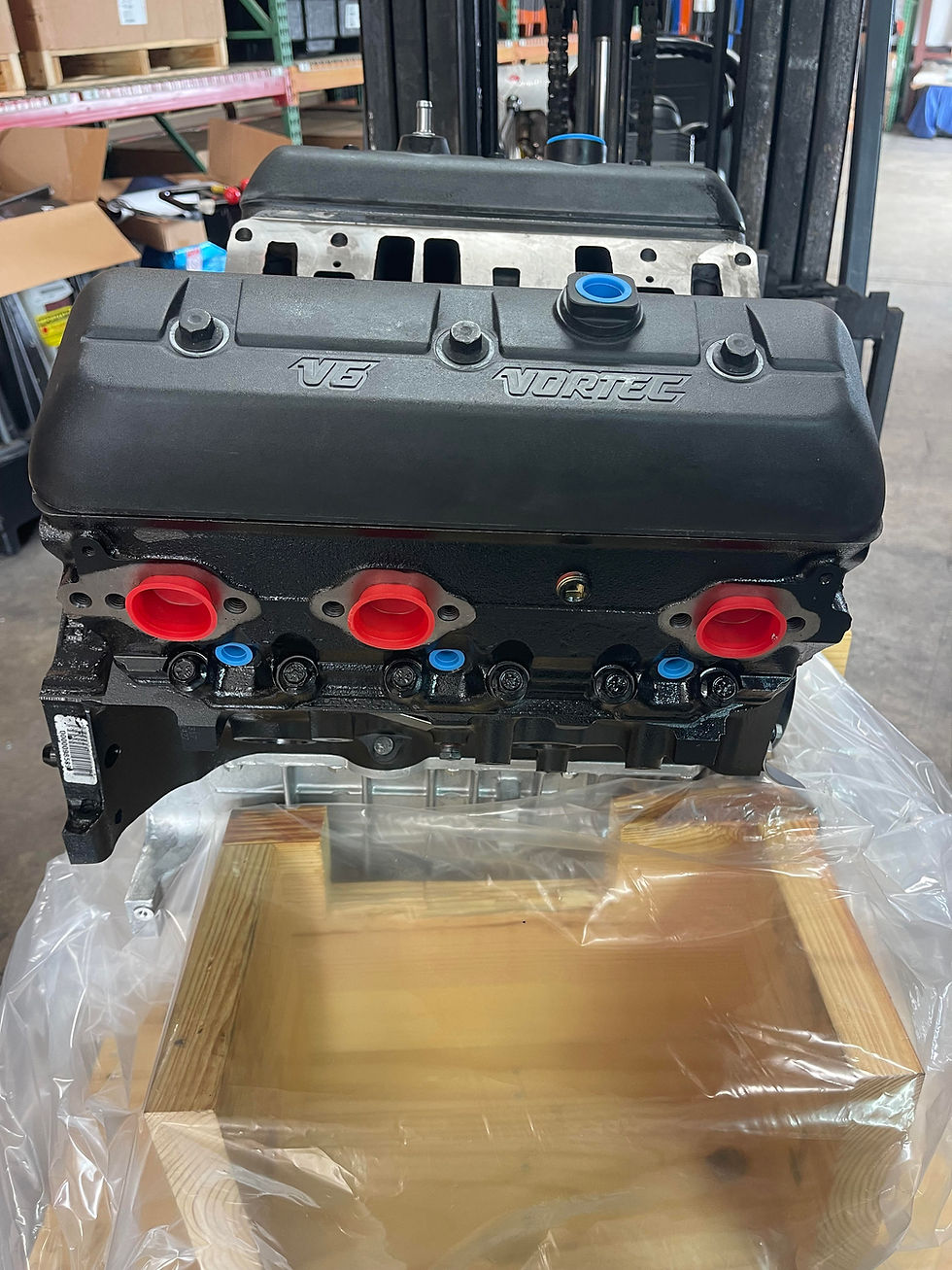
If your engine shows signs of deeper issues, replacing it before the season starts can save time, frustration, and lost boating days.
Both new and remanufactured marine engines offer reliable solutions depending on your needs and application.
👉 Starting the season with a dependable engine ensures consistent performance when it matters most.
Don’t Forget Supporting Components
When preparing your engine for spring, it’s also important to evaluate related parts such as:
Fuel system components
Cooling system parts
Ignition components
Filters, belts, and hoses
Replacing worn components early can prevent mid-season failures.
Why the Right Supplier Makes the Difference
Preparing your engine for the season is one thing — having the right support when issues arise is just as important.
At Eagle Engine Sales, we work with:
Boat owners
Marine repair shops
Dealers and installers nationwide
We help customers get ready for the season by providing:
New and remanufactured marine engine options
Exact application matching
Reliable parts availability
Nationwide shipping
Experienced support before and after the sale
Instead of guessing, customers can move forward with confidence knowing they have the right solution for their boat.
Need Help Getting Your Boat Ready for Spring?
If you're unsure whether your engine is ready for the season — or if you're dealing with ongoing issues — our team can help guide you in the right direction.
👉 Call today for pricing and availability
Final Thoughts
Spring preparation is one of the most important steps in ensuring a smooth and reliable boating season.
By taking the time to inspect key components and address potential issues early, you can avoid breakdowns and enjoy more time on the water.
In 2026, the best way to start the season is with confidence — knowing your engine is ready to perform.


Comments